
How to
The Ultimate Guide to Using Cutting Boards: Types, Usage, and Maintenance
Feb
The Ultimate Guide to Using Cutting Boards: Types, Usage, and Maintenance
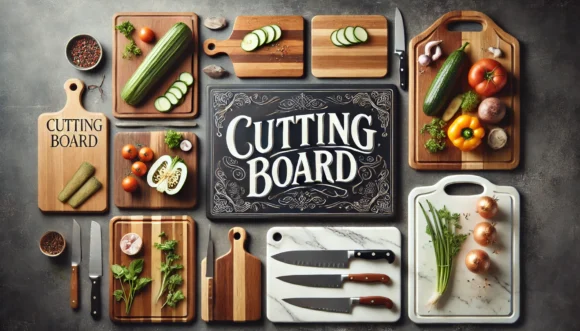
A cutting board is an essential kitchen tool used for chopping, slicing, and preparing food. It not only provides a stable surface for cutting but also helps protect countertops and maintain hygiene. Choosing the right cutting board and using it correctly can enhance efficiency in the kitchen while ensuring food safety.
Types of Cutting Boards
1. Wooden Cutting Boards
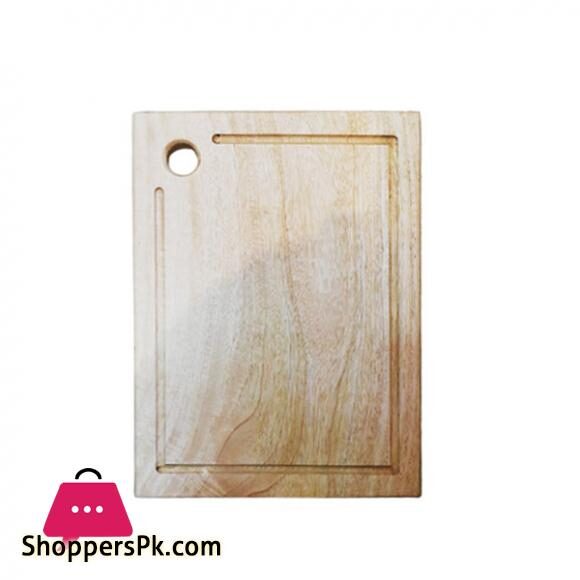
Wooden cutting boards are popular for their durability and natural antibacterial properties. They are available in different types, such as:
- Hardwood Boards: Made from materials like maple, teak, and walnut, these are ideal for heavy-duty cutting.
- End-Grain Boards: Known for their self-healing properties, as the wood fibers close up after cutting.
- Softwood Boards: Less durable but suitable for light chopping tasks.
2. Plastic Cutting Boards
Plastic cutting boards are lightweight, affordable, and easy to clean. They come in various colors, making them useful for color-coded food preparation (e.g., red for raw meat, green for vegetables).
3. Bamboo Cutting Boards
Bamboo cutting boards are an eco-friendly option that is harder than traditional wood. They resist water absorption, making them less prone to warping.
4. Glass Cutting Boards
Glass cutting boards are non-porous and easy to clean, but they can dull knives quickly and may shatter under pressure.
5. Stainless Steel Cutting Boards
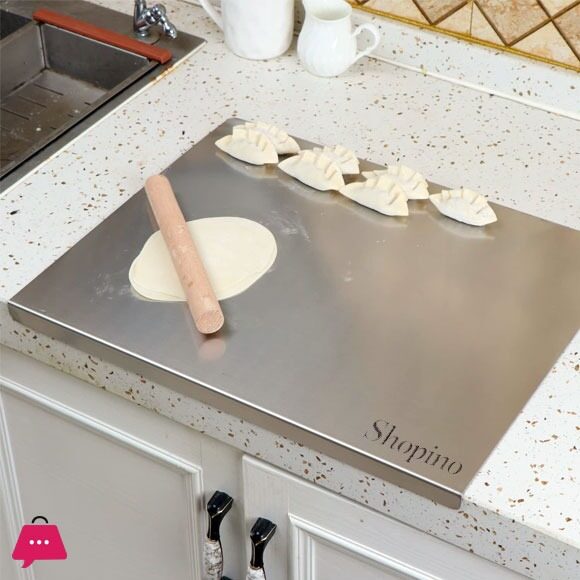
These cutting boards are highly durable, non-porous, and resistant to bacteria. They are ideal for handling raw meat but may be hard on knife edges.
6. Marble Cutting Boards
Marble cutting boards are stylish and excellent for working with pastry dough, but they are not suitable for regular knife use as they can cause blades to dull quickly.
Best Practices for Using Cutting Boards
1. Choose the Right Board for the Task
- Use separate boards for raw meat, vegetables, and cooked food to prevent cross-contamination.
- Opt for wooden or bamboo boards for chopping fruits and vegetables.
- Choose plastic or stainless steel boards for handling raw meat and seafood.
2. Maintain Hygiene and Cleanliness
- Wash cutting boards with hot, soapy water after each use.
- Disinfect plastic and stainless steel boards with a mild bleach solution.
- Avoid soaking wooden boards in water to prevent warping.
3. Proper Storage and Care
- Store cutting boards in a dry, upright position to prevent moisture buildup.
- Regularly oil wooden boards with mineral oil to maintain their condition.
- Replace heavily scratched or worn-out plastic boards to avoid bacterial growth.
4. Preserve Knife Sharpness
- Avoid using glass and marble boards frequently as they can dull knives quickly.
- Choose soft wooden or bamboo boards to keep knife edges sharp.
Conclusion
Using a cutting board correctly is essential for both food safety and kitchen efficiency. Selecting the right material, practicing good hygiene, and maintaining the board properly can extend its lifespan and ensure a safer cooking experience. Whether you prefer wooden, plastic, or stainless steel, a well-maintained cutting board is a valuable asset in any kitchen.